When the temperature drops in Edmonds, frozen pipes and burst lines become real risks for homeowners. Preparing your plumbing system before winter arrives can help you avoid costly repairs and unexpected water damage. Whether you’re staying home for the season or leaving for vacation, here’s how to properly winterize your home to protect your pipes and plumbing from a local Edmonds Plumber.
What Is Plumbing Winterization?
Plumbing winterization is the process of protecting your home’s water lines, fixtures, and systems from freezing temperatures. By draining water, insulating pipes, and shutting off valves strategically, you prevent the expansion and bursting that can occur when water freezes inside your plumbing. Then you might need to call us for a plumbing repair!
Why Is It Important?
When pipes freeze, the pressure buildup can cause them to burst—leading to major flooding and expensive repairs. Properly winterizing your home ensures your water supply, irrigation system, and water heater stay safe throughout the cold months. It also helps extend the life of your plumbing system and reduces the chances of needing emergency plumbing services.
Winterize If you are Leaving or Staying
Even if you plan to stay in your home, it’s smart to take precautions. If you’ll be away at all, your plumbing needs extra protection. Frozen pipes don’t discriminate, and a small crack in a pipe can release gallons of water once it thaws.
7 Steps to Winterize a Vacant Home
If you’re planning to leave your home vacant during the winter, taking these steps will help ensure your plumbing system stays protected while you’re away. Frozen water expands inside pipes, putting pressure on fittings and joints that can cause costly burst pipes once temperatures rise again. The tips at the top are if you are staying and the rest will be if you are planning an extended leave. Here’s how to properly safeguard your plumbing before you go.
1. Winterize Your Hose Bibs and Outdoor Faucets
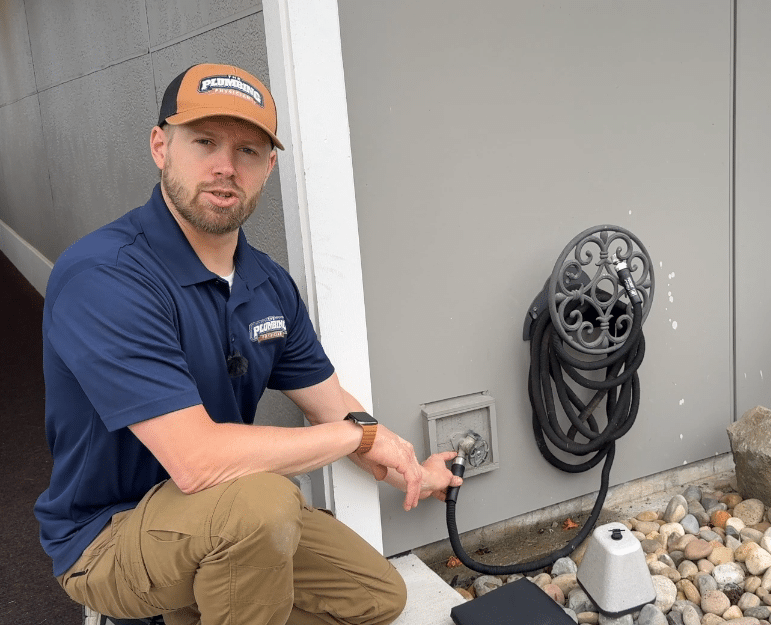
This is where most people will experience an issue if left unattended during winter! Outdoor faucets, also called hose bibs, are some of the most vulnerable points in your plumbing system. Start by disconnecting and draining all garden hoses. Then, locate the indoor shutoff valve that controls water flow to the exterior faucet and close it.
Once it’s shut off, open the outdoor faucet to let any remaining water drain out. For extra protection, install an insulated faucet cover. If you’ve had issues with outdoor faucet freezing before, consider upgrading to a frost-free spigot or contacting a local plumber to install one before winter hits.
2. Seal Exterior Holes and Gaps
Inspect the outside of your home for any gaps where cold air can reach water pipes,especially around hose bibs, vents, foundation openings, and utility penetrations. Even small cracks can let freezing air inside, chilling water lines behind walls or under floors.
Use expanding foam, caulk, or weatherproof sealant to close these openings. Check crawl spaces, attics, and garages too, and any area where water lines are exposed should be insulated with foam sleeves or fiberglass wrap.
3. Locate and Turn Off the Main Water Valve
If your home will be vacant, the first and most important step in winterizing your plumbing is to shut off your home’s main water supply. This valve is usually located where the main water line enters your house,often near the water meter or utility area. Once it’s turned off, open every faucet, both hot and cold, to drain the remaining water. Don’t forget to run water from tubs, showers, and utility sinks.
After draining, leave the faucets slightly open to prevent any trapped pressure buildup. If your home has an automatic shutoff valve or smart leak detection system, make sure it’s activated before you leave.
4. Check Your Thermostat and Indoor Temperature
Even in a vacant home, it’s important to keep the indoor temperature above freezing. Set your thermostat to at least 55°F (13°C). This ensures enough warmth circulates through your home to protect interior plumbing, especially those located behind walls or in crawl spaces.
If you have a smart thermostat, set up alerts so you can monitor indoor temperature remotely. Power outages can quickly turn a safe system into frozen pipes, so consider backup power or battery-operated temperature monitors for peace of mind.
5. Flush Toilets and Drain Traps
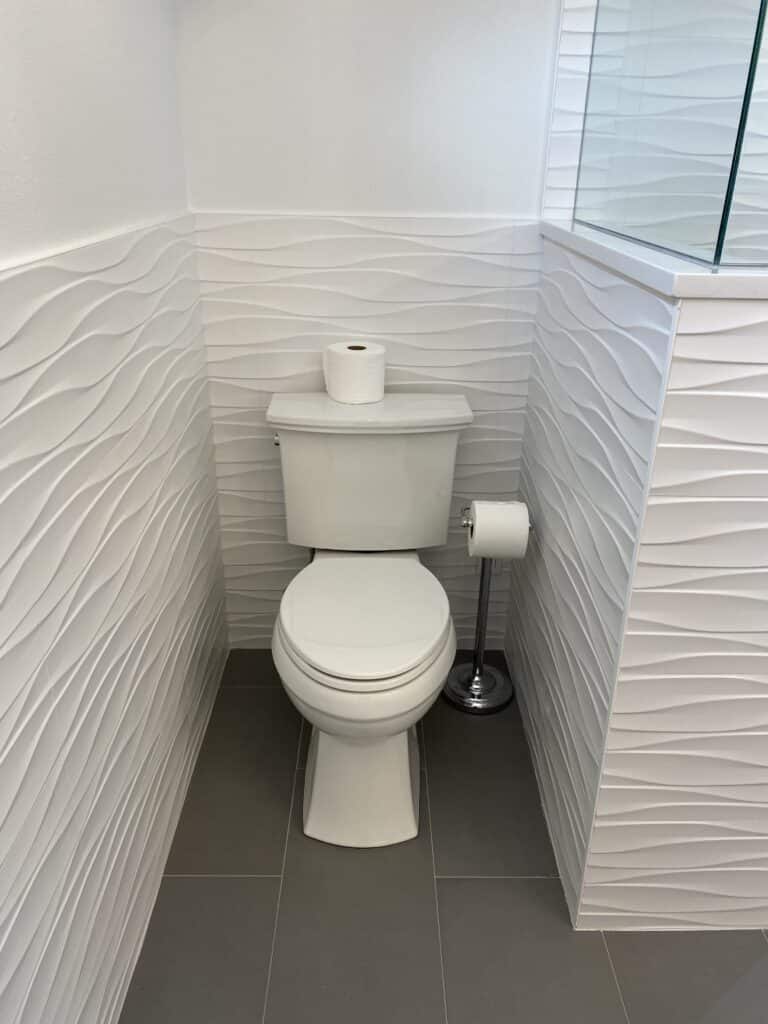
Toilets and drains hold small amounts of water that can freeze and crack porcelain or PVC piping. Flush every toilet in the home to empty the tank and bowl. Then, pour a small amount of non-toxic RV antifreeze into the toilet bowl and sink traps to protect against freezing.
Don’t use automotive antifreeze—it’s toxic and not safe for home plumbing systems. Pay special attention to floor drains, basement bathrooms, and laundry sinks that may not get regular use.
6. Prepare and Drain Sprinkler Systems
Irrigation and sprinkler systems often go overlooked, but a single frozen sprinkler line can cause underground leaks and flooding once spring arrives. Turn off the irrigation system at the main shutoff valve, then use compressed air to blow out remaining water from each zone.
If your system has an automatic controller, switch it to “off” or “rain mode.” Make sure all above-ground components like backflow preventers and valves are insulated with foam covers or heat tape if they can’t be drained completely. The Plumbing Physician can help you blow out your sprinkler system if you’re unsure how to do it safely.
7. Monitor and Drain Your Water Heater
Your water heater holds several gallons of water that can freeze if the power goes out or temperatures drop too low. Turn off the gas or electric supply and drain the tank completely using the drain valve at the bottom.
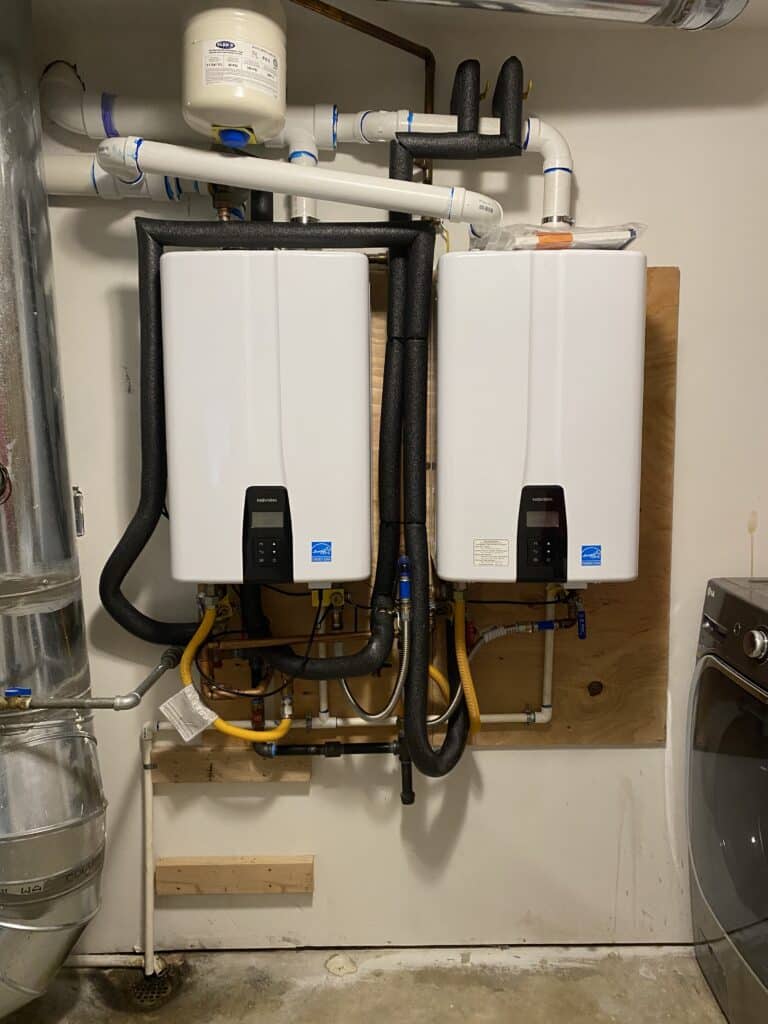
If your home will only be empty for a short time, consider switching your water heater to “vacation mode” instead. This reduces energy use while keeping the internal water warm enough to prevent freezing. For tankless water heaters, follow the manufacturer’s winterizing instructions. Most will require draining or blowing out any residual water with air pressure.
Need a Plumber in Edmonds or Seattle?
The Plumbing Physician is proud to serve homeowners across Edmonds, Seattle, and surrounding areas with professional, high-quality plumbing services.
Local and Family-Owned
Since 1996, our family-owned business has been trusted by homeowners throughout the Puget Sound. We treat every home as if it were our own—with honesty, respect, and care.
High-Quality Plumbing Services
From pipe repairs and remodels to emergency plumbing needs, our licensed plumbers deliver reliable solutions that keep your plumbing system running efficiently all year long.
Contact The Plumbing Physician
If you’d like help winterizing your home’s plumbing or need a local expert for repairs, we’re here to help!
Explore Our Work
See Our Work to view examples of our past plumbing projects and see the quality craftsmanship we bring to every job.