Have you noticed your shower pressure getting weaker lately? Or maybe you turned on the kitchen faucet and the water looked a little… off? If something about your home’s plumbing has been nagging at you, you’re not alone — and you’re smart to pay attention to it.
Many homes across the greater Seattle area were built decades ago, and the original pipes that came with them weren’t designed to last forever. When those pipes start to fail, they don’t always announce it with a dramatic burst. More often, it starts quietly — a drop in pressure here, a little rust-colored water there, a leak that keeps coming back no matter how many times it’s been patched.
That’s where repiping comes in. And if you’ve never heard the term before, don’t worry — we’ll explain exactly what it means and how to know if your home might need it.
We’ve been serving families from Marysville to Bellevue for over 30 years, and we’ve seen these warning signs more times than we can count. Here’s what to look for.
What Is Repiping — and Why Do Seattle Homes Need It?
Before we get into the signs, let’s make sure we’re on the same page about what repiping actually is — because it’s one of those things that sounds more intimidating than it really is.
What Does Repiping a House Actually Mean?
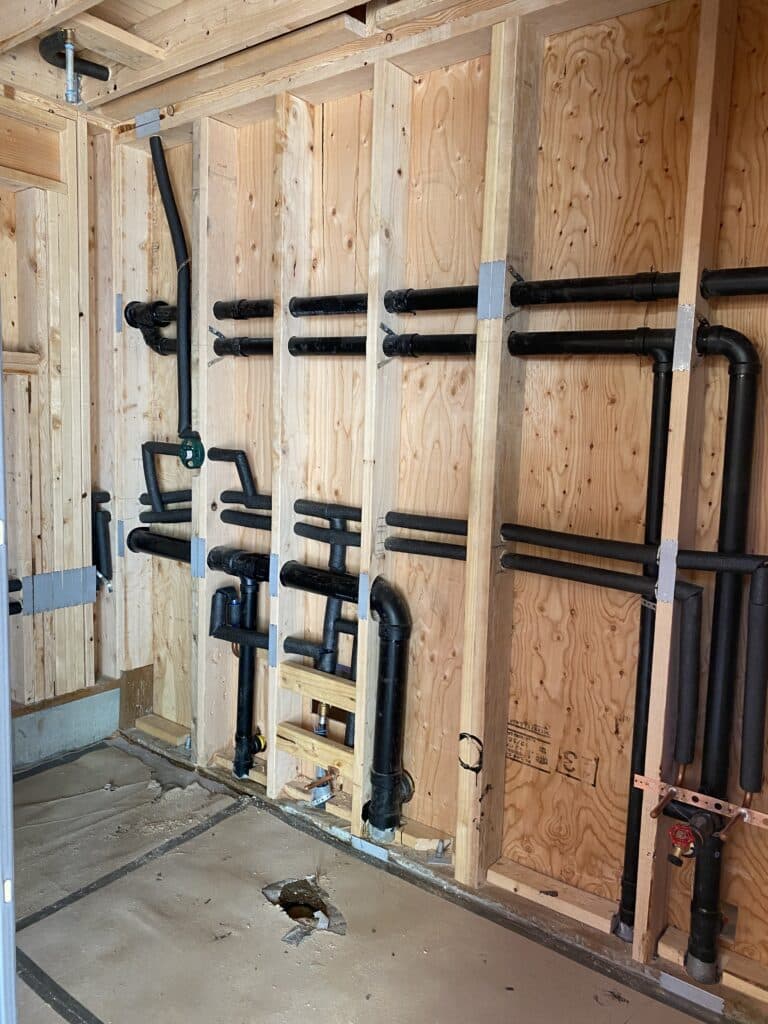
Repiping is exactly what it sounds like: replacing the existing water supply pipes in your home with new ones. Think of it as giving your home’s plumbing system a fresh start.
Over time, pipes made from older materials like galvanized steel or polybutylene — corrode, rust, and degrade from the inside out. When that happens, no amount of patching or repairing individual sections will fix the underlying problem. The whole system needs to be updated.
The good news? Modern pipe materials like PEX and copper are built to last for decades, resist corrosion, and deliver clean, consistent water flow. A full repipe isn’t a demolition project — it’s an upgrade, and most homeowners are genuinely surprised by how smooth the process is. Check out all of our plumbing services to see everything we can help with.
Why Seattle Homes Can Be Vulnerable
The greater Seattle area has a lot of beautiful older homes which is part of what makes this region so charming. But many of those homes, especially those built between the 1940s and 1970s, are still running on their original plumbing systems. That means pipes that are anywhere from 50 to 80 years old.
On top of age, Seattle’s wet climate and local water chemistry can speed up corrosion in older pipe materials. Neighborhoods throughout Edmonds, Lynnwood, Marysville, Everett, and beyond are full of homes where the plumbing has simply lived past its prime.
After 30 years in this area, we’ve seen firsthand how these aging systems eventually reach their limit. The three signs below are the ones we hear about most often and the ones worth taking seriously.
Sign #1 — Your Water Pressure Has Dropped Noticeably
If your morning shower feels more like a light mist than an actual shower, or your kitchen sink takes forever to fill a pot, low water pressure might be more than just an annoyance it could be a symptom of something going on inside your pipes. Traditional plumbing repairs can help but getting to the source of the problem is the best solution.
Here’s what happens over time: as galvanized steel pipes age, rust and mineral deposits build up on the inside walls of the pipe. That buildup gradually narrows the channel water has to flow through kind of like a clogged artery. The result? Reduced pressure throughout your home.
Now, if just one faucet is weak, that’s usually a simple fix maybe a clogged aerator or a single valve issue. But if you’re noticing low pressure at multiple fixtures across different parts of your home, that’s a systemic signal, not a one-off problem.
We hear this one a lot from homeowners in the Edmonds and Lynnwood areas especially in homes that are 40 years or older. A quick inspection can tell us whether you’re dealing with isolated buildup or whether the pipes as a whole need to be replaced. Either way, we’ll give you a straight answer.
Sign #2 — Your Water Looks, Smells, or Tastes Off
This one tends to get people’s attention fast — and rightfully so. If your water looks brownish or cloudy, has a metallic taste, or carries a faint smell you can’t quite place, your pipes may be telling you something important.
When galvanized pipes corrode from the inside, rust and sediment start making their way into your water supply. It’s not a filtration problem or a city water issue it’s coming from the pipes themselves. And if it only happens in your home (not your neighbor’s), that points directly to your plumbing.
A few things to try first: check if the issue clears up after running the water for a minute or two, and see if it affects hot water only (which could point to the water heater instead). But if the discoloration or metallic taste is consistent, happens across multiple faucets, and persists even after you’ve replaced fixtures or upgraded your water heater — your pipes are most likely the source.
We’ll always be honest with you about what we find. If it’s something minor, we’ll tell you. But if the pipes are the problem, we’d rather catch it now before it becomes a water quality issue you can’t ignore.
Sign #3 — You’re Dealing With Frequent or Recurring Leaks
One leak happens to everybody. Two leaks in the same year start to raise a flag. Three or more leaks in different parts of your home? That’s your plumbing trying to tell you something.
As pipes age and their walls thin out from corrosion, weak spots keep developing — and fixing one doesn’t protect the sections next to it. It’s like patching a tire that’s worn through the tread: you can keep patching, but the tire itself is the problem.
Here are a few other signs that leaks may be part of a bigger picture:
- Water stains on ceilings or walls in multiple rooms
- An unexplained spike in your monthly water bill
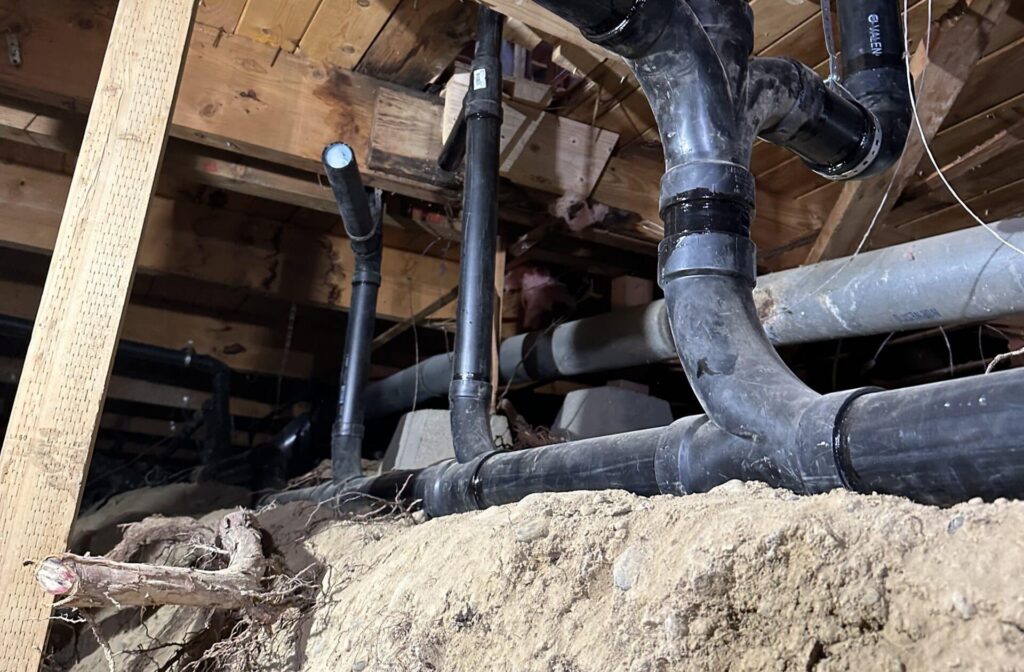
- Visible rust stains, green-blue buildup, or flaking on exposed pipes in your crawlspace or utility room
- Damp spots or soft areas in floors or walls where no spill occurred
We understand the instinct to keep patching — repairs feel cheaper in the moment. But when you add up multiple service calls, water damage repairs, and the risk of mold, a full repipe is often the more economical choice in the long run. And it’s definitely the more permanent one.
We’ll always tell you honestly whether a repair will hold or whether it’s time to think bigger. That’s just how we do business.

What to Do If You Notice These Signs in Your Seattle Home
Recognizing one of these signs doesn’t mean you need to panic — it means you need information. Here’s what the process looks like when you reach out to us.
Start With a Professional Plumbing Inspection
The first step is always an honest assessment. We’ll come to your home, inspect your pipes, check your pressure, look at the material and age of your system, and give you a clear picture of what’s going on — no guesswork, no upselling.
Noticing a warning sign doesn’t automatically mean a full repipe is in your future. Sometimes it does. Sometimes it’s a targeted repair that solves the problem. But you can’t know which one it is until you get a professional set of eyes on it.
We’re not here to sell you a repipe you don’t need. We’re here to make sure your home’s plumbing is working the way it should — and to give you the information to make the right call.
What a Whole-Home Repipe Looks Like
If a repipe is the right move, here’s a simple overview of what the process looks like:
- Assessment and quote — We review your current system and give you a transparent, upfront price
- Scheduled work — We coordinate around your schedule to minimize disruption
- Water shutoff and pipe replacement — Old pipes are replaced section by section with modern PEX or copper piping
- Testing — The new system is fully tested before water is restored to the home
- Patching and cleanup — We clean up after ourselves and patch any access points
Most whole-home repipes are completed in one to two days. Most families stay in their homes throughout the process. And most homeowners tell us it was a lot smoother than they expected.
Why Work With The Plumbing Physician
We know you have options when it comes to plumbing in the Seattle area. Here’s why our customers keep calling us back — and why so many of them tell us they’ve “found their plumber for life”:
- Family-owned and operated since 1996 — We’re not a franchise or a call center. When you call us, you’re talking directly to local, experienced plumbers.
- Lifetime workmanship guarantee — We stand behind our work well beyond what’s required. If something’s not right, we make it right.
- Transparent pricing — No surprise costs, no pressure tactics. You’ll know exactly what you’re paying for before we start.
- 30+ years of local knowledge — We know Seattle-area homes, their quirks, their pipe materials, and their common problem spots.
- Serving you from Marysville to Bellevue — Edmonds, Lynnwood, Everett, Kirkland, Bothell, and everywhere in between.
From our family to yours — we treat your home the way we’d want someone to treat ours.